
Yay! You’re engaged – congrats. Now begins the planning stage, which is so fun. But how can you fit that in with an already packed schedule? One local bride shares how she learned to balance wedding planning with a full-time job. It can be done!
This post contains affiliate links, and we may earn a small commission from purchases made.
Wondering how to balance wedding planning with a full time job?
Being newly engaged is such an exciting time! As a result, your friends and family gush over the proposal. And, you have a shiny new rock to show off. Now, you can finally hit Pinterest hard and dive into the process of designing your big day.
Oh, but wait…
You have to go to work tomorrow. Outside of a few congratulations here and there, you’re expected to sit there and focus on work. How can you when dreams of weddings, cakes, and bridesmaid gowns dance around your head? How are you supposed to maintain work productivity for up to a year (or more) when there’s so much to be done?
Wondering whether you can successfully plan a wedding while working 40 or more hours a week is a common question.
It’s not always easy, that’s for sure. However, here are some helpful strategies for planning your dream wedding. Yes, you can do it while still working your way up to that next promotion.
4 Tips to Help Balance Wedding Planning with a Full Time Job
1. Hire a dedicated wedding planner.
This might go without saying, but outsourcing logistics planning can save you time and stress. Wedding planners are skilled experts in everything from vendor procurement and design trends to timeline coordination and more.
Sure, you certainly still want plenty of input on the overall look of the day. However, having a valuable resource like a wedding planner will save you from consulting Google during the workday. When you need to know the pros and cons of an outdoor ceremony or how much alcohol to purchase, you can resist the temptation.
2. Book flexible vendors.
As you interview vendors and find the best fits for your wedding dream team, include one important question: How flexible are you with meeting schedules?
Ideally, your vendors will be able to accommodate your work schedule, allowing you to meet remotely or in the evenings and on weekends. This ensures you don’t have to hurry out for a long lunch or take phone calls in the conference room when you should be preparing that presentation due this week.
3. Implement block scheduling.
Block a couple of hours dedicated to wedding planning in the evening. As a result, this can help you focus on work while you’re still in the office. Next, take note of the thoughts and questions that come up, and instead of digging in at work just this one time. Therefore, set aside time after work or on the weekends to focus only on wedding planning.
4. Take advantage of your breaks.
Is there something that must be addressed during the workday? Well, do your best to save it for lunch or another scheduled break. With that said, opt for smaller activities that won’t tempt you to run over on your break time. For example, responding to vendor emails is a better use of your time than starting to write your vows.
A little Pinterest inspiration never hurt either, but be cautious not to go down the rabbit hole.
Balance Wedding Planning with a Full-Time Job: Checklist
1. Set aside dedicated planning times.
2. Use your time wisely.
3. Get organized early.
4. Make efficient decisions.
5. Ask for help.
6. Simplify where you can.
7. Protect your reputation at work.
8. Communicate effectively.
9. Prioritize your mental health.
10. Set clear boundaries.
11. Settle on a timeline.
15. Consider where you can save money.
16. Go digital where you can.
17. Keep your marriage at the forefront.
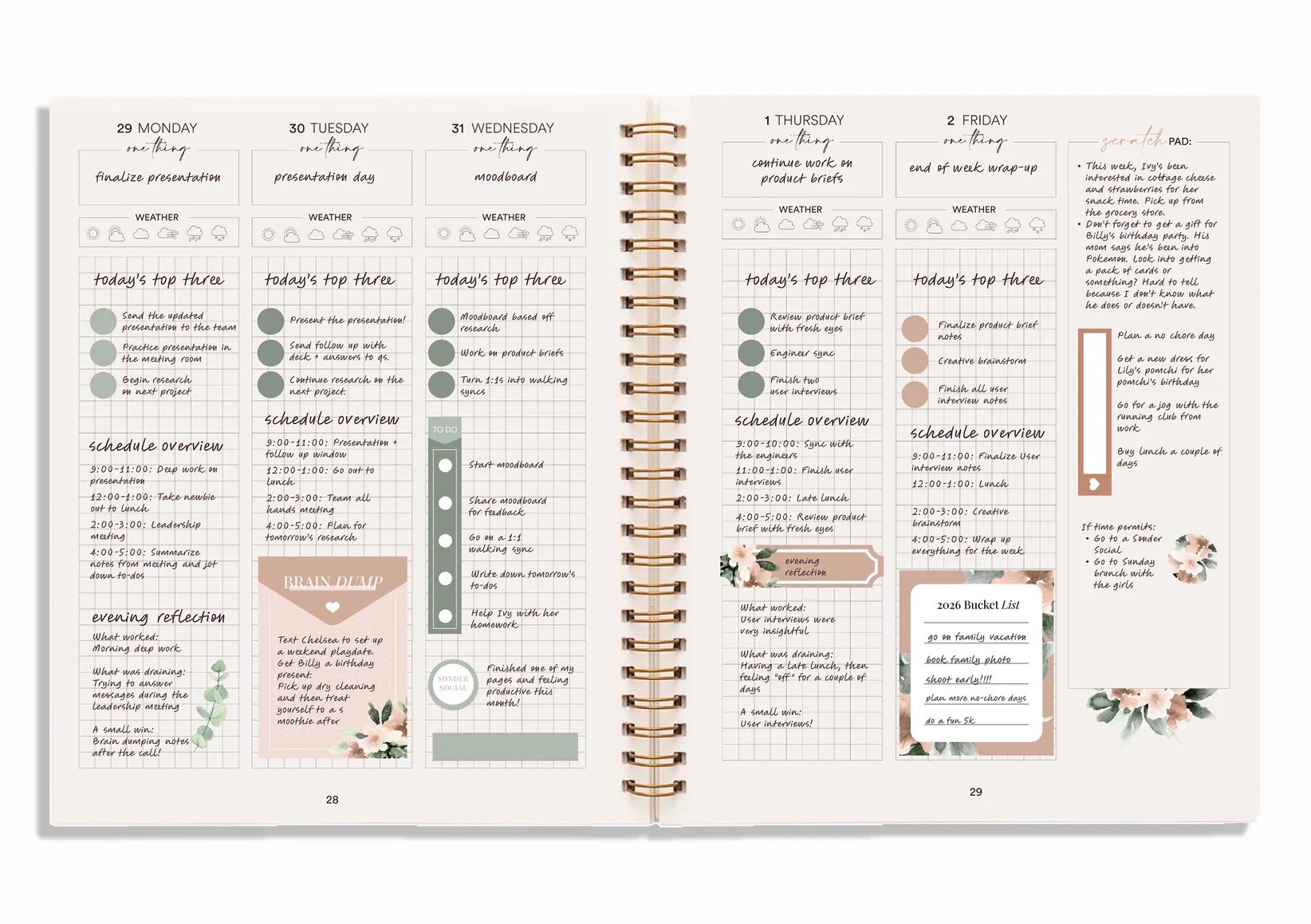
It is possible to balance wedding planning with a full-time job!
When it comes down to it, your wedding is a very important experience. However, your job is a long-term investment (and is probably funding part of the wedding).
Here are a few takeaways:
- You can’t do it all alone – Accept help and delegate
- Perfect is the enemy of done – Make good decisions and move forward
- Your sanity matters most – If you’re dreading planning, take a break
- This is temporary – The intense planning period will end
- Work-life balance is possible – With boundaries and organization, you can succeed at both
So, spend as much time as you need on your wedding, but don’t let it get in the way of your other priorities. After all, once you’re married, you’ll have memories of an incredible weekend. Additionally, you’ll have a partner to call your own, new responsibilities, and, of course, your job.
 Amanda Zack is a freelance writer and content marketing specialist based in Roanoke. She specializes in weddings, travel, and lifestyle, with a special knack for social media.